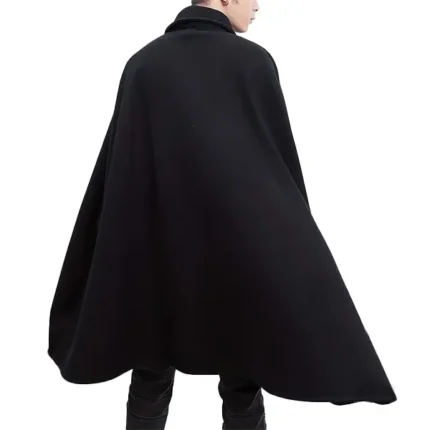
Women’s cape jackets

Flowing silhouettes with elegant presence

Explore women’s cape jackets designed around graceful movement, dramatic silhouettes and refined layering. Discover distinctive styles suited to elegant outfits, evening looks, gothic fashion and statement dressing.

Choose with confidence

Need help with cape length, sizing or custom proportions? Ask about it before ordering.
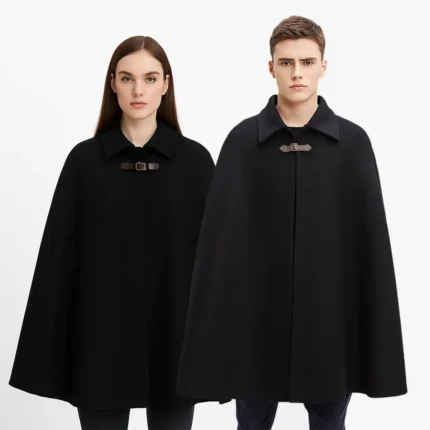
Showing the single result

Dark Gothic Cape Jacket

Original price was: $99.99.Current price is: $69.99.
Select options This product has multiple variants. The options may be chosen on the product page

What Makes Women’s Cape Jackets Special

Cape jackets hold a unique place in women’s wardrobes because they blur the line between classic tailoring and expressive fashion. Their silhouette instantly conveys confidence and individuality. Whether styled for formal evenings or layered over casual looks, cape jackets provide a versatile blend of history, artistry, and practicality.

Silhouette Play — How Different Lengths Talk

  • Short capelet (shoulder to waist): flirtatious and easy — pairs with high-rise trousers and skirts; keeps movement agile.
  • Hip-length cape: versatile and everyday-friendly — works with jeans or dresses and avoids tripping over stairs or subway doors.
  • Mid-thigh cape: dramatic enough for evening yet practical for cooler commutes; balances long skirts and tapered pants well.
  • Full-length cloak: editorial and weather-protective — beautiful over formalwear or layered as outerwear in cold, dry climates.

Fabric Mood Cards — Pick Feel, Not Just Fiber

Think of fabrics as moods. Each one signals intent and behaves differently in weather and movement.

  • Wool-blend (structured): classic, warm, and tailored; keeps shape and looks polished for work and evening.
  • Cashmere or cashmere-blend (soft luxe): elegant, drapey, and cosy — ideal when you want a refined layer that still moves fluidly.
  • Technical shell (membrane / softshell): practical and modern — weatherproof options with hidden hoods and taped seams for wet commutes.
  • Quilted / insulated cape: practical warmth that reads contemporary — great for travel where compressible warmth matters.
  • Leather / coated fabrics (structured drama): sculptural and bold — best for night looks or moto-inspired styling, but needs dry conditions and care.
  • Lightweight blends (linen, cotton, satin finishes): breathable and breezy — summer capes that add motion without heat.

Technical Features That Actually Help

  • Discreet arm slits or hidden sleeves: improve mobility without destroying the drape.
  • Hidden fastenings (hook-and-bar, interior toggles): keep the front clean while allowing secure closure in wind.
  • Structured collar or small hood: a collar blocks wind; a low-bulk hood offers emergency rain protection without disrupting the silhouette.
  • Internal security pocket: practical under a voluminous front — keeps phone and cards safe and accessible.
  • Weight distribution panels: internal reinforcement at shoulders prevents sagging when you carry a bag on one side.

Style Capsules — Five Complete Outfits (No Fuss)

  • Commute Minimal: hip-length wool cape + slim trousers + leather sneakers — polished protection without bulk.
  • Meeting & Meetup: cropped capelet + shirt dress + knee boots — layer a capelet over suiting for instant editorial energy.
  • Weekend Travel: packable insulated cape + merino tee + stretch chinos + slip-on shoes — warmth without suitcase drama.
  • Evening Presence: full-length cashmere-blend cloak + slip dress + block-heel boots — cinematic and intentionally simple.
  • Rain-Ready Hybrid: hooded technical cape + waterproof ankle boots + tapered joggers — functional, modern, and commute-proof.

Fitting Ritual — What to Try and Why

  • Put on the cape over the layers you actually wear (blazer, knit, dress) — shoulders and back are non-negotiable for comfort.
  • Walk briskly and raise your arms to chest level — check for hem catch and shoulder drag.
  • Sit down and stand — a cape should not pull uncomfortably under seated positions or ride up excessively.
  • Test with a shoulder bag — if the shape distorts significantly, look for reinforcement or a different length.
  • Check closure function while wearing gloves — toggles, hooks, and snaps should be operable without fuss in winter conditions.

Preservation & Gentle Repairs — Keep It Graceful

  • Spot-clean first: many cape fabrics hate aggressive machine cycles — blot stains gently and seek professional cleaning for wools and leathers.
  • Storage: hang on wide, shaped hangers; long cloaks may need padded, roomy closets to avoid creasing unusual seams.
  • Reinforce stress points: if you wear a bag often, add discreet internal patches at the shoulder to prevent early wear.
  • Trim maintenance: faux-fur ruffs and detachable trims should be removed and stored separately in humid climates to avoid matting.
  • Minor mending: replace snaps early and re-stitch slits before they widen; capes are easier and cheaper to keep than to replace.

👉 Elevate your look with our women’s cape jackets — fluid, fashion-forward, and perfect for layering drama into everyday dressing. Shop Now!

Women’s Cape Jackets FAQs: Key Insights Revealed

Which fabrics suit women’s capes best?

Wool and cashmere blends for polish and warmth, quilted shells for function, and satin or velvet for elegant evening looks.

Are capes good for maternity?

Yes! The loose, flowing cut accommodates bumps comfortably; mid-lengths work best for proportion and mobility.

Should a cape have pockets?

Yes! Side-seam or inset pockets add practicality without interrupting the drape.

Are capes suitable for rainy weather?

Only if made from treated technical shells or with waterproof linings. Wool capes resist light drizzle but aren’t raincoats.